Advertisement
Click to download now, finish the installation quickly, and directly unlock the all-round experience
Advertisement
Screenshots
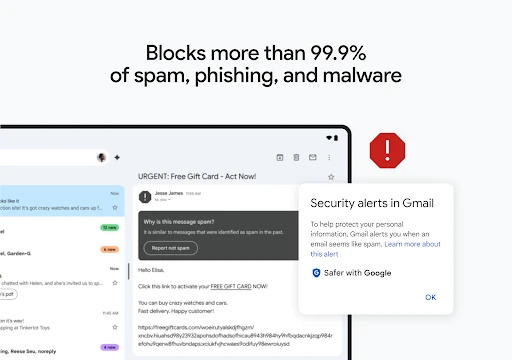
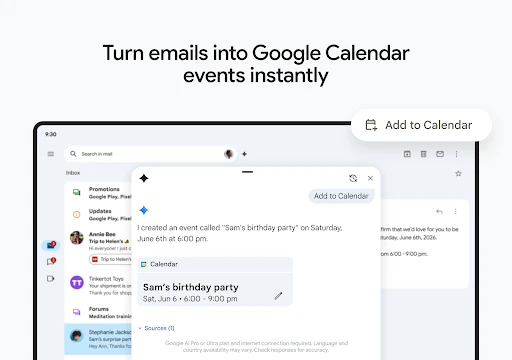

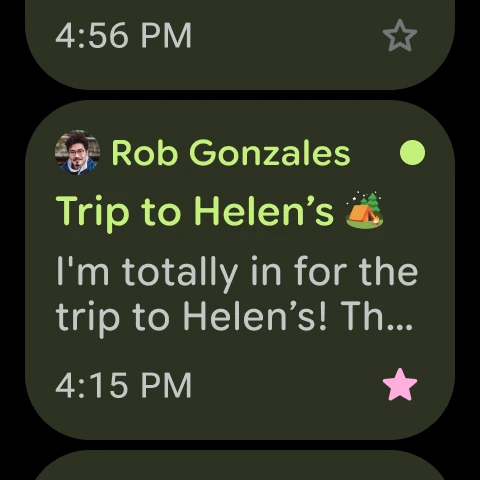

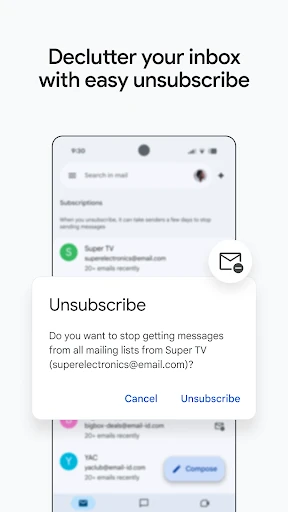
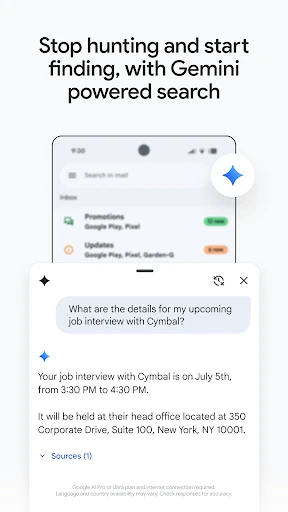
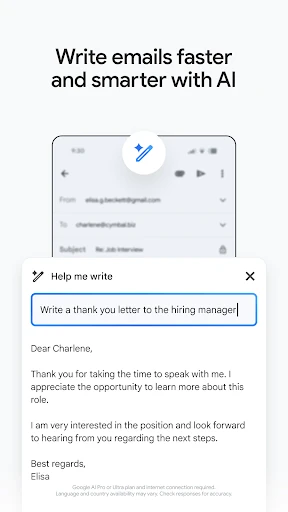
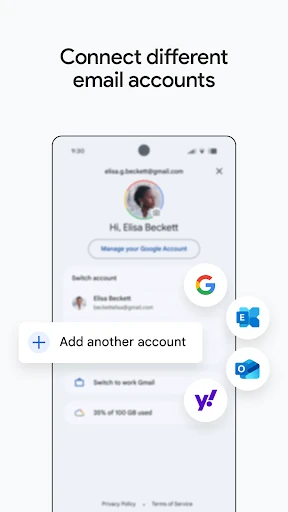
Click to download now, finish the installation quickly, and directly unlock the all-round experience
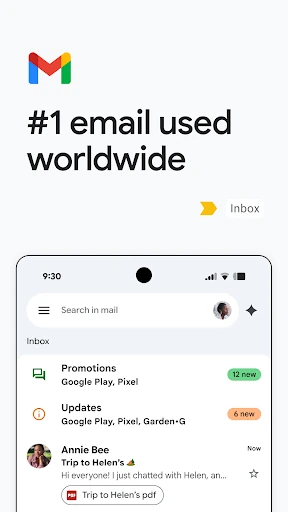
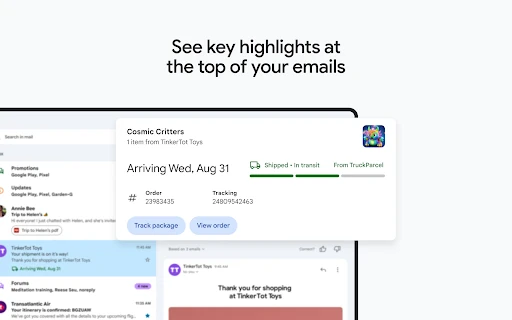
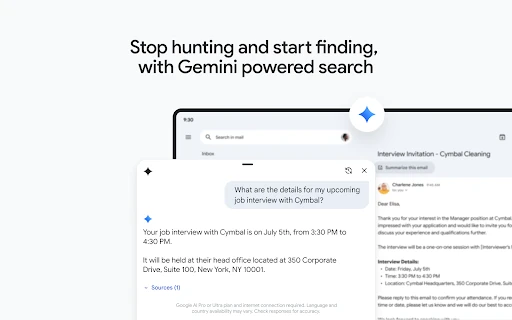
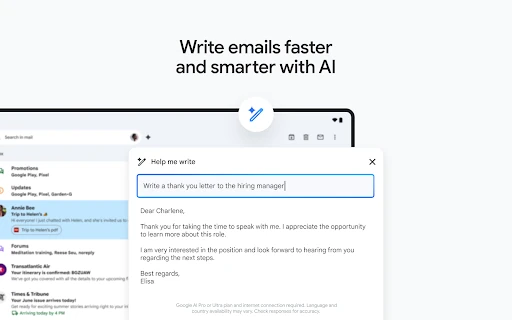
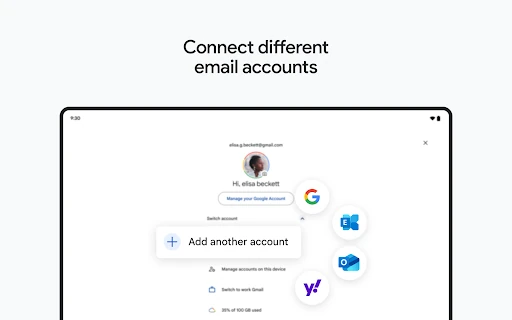
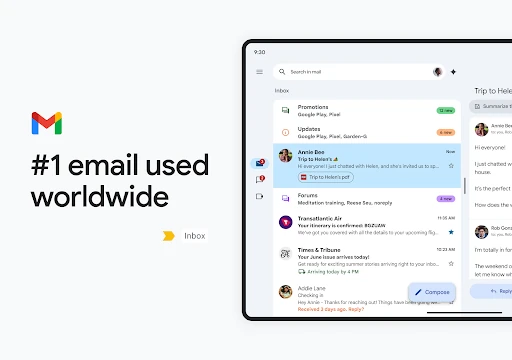
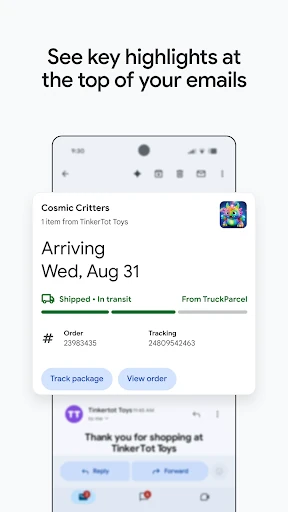
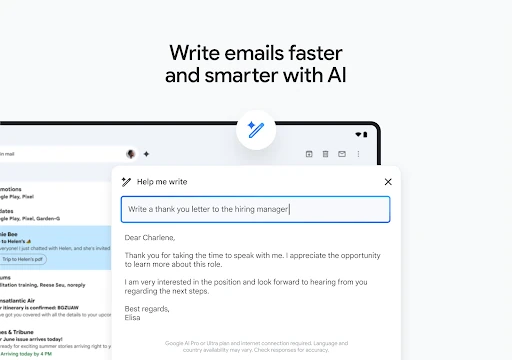
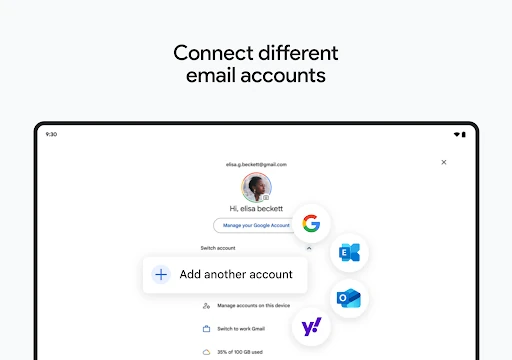
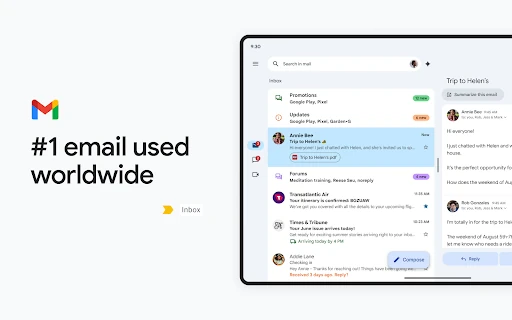
Gmail is Google’s email app for reading, sending and organising messages on an Android phone. It suits people who check email throughout the day, as well as anyone who needs to search old conversations instead of keeping important details in their head. You can use it for Gmail accounts and bring other email accounts into the same app.
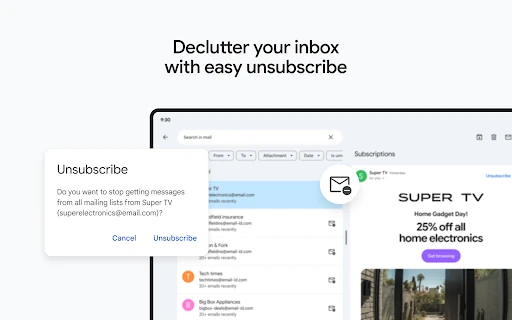
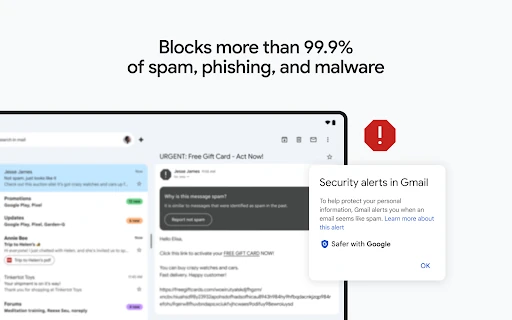
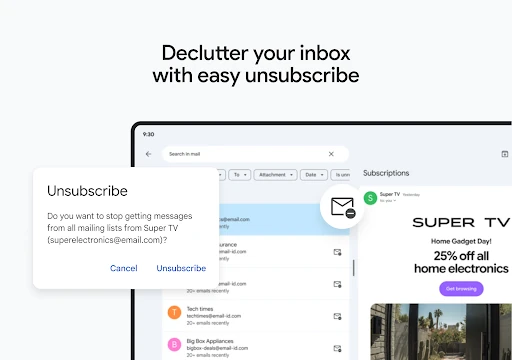
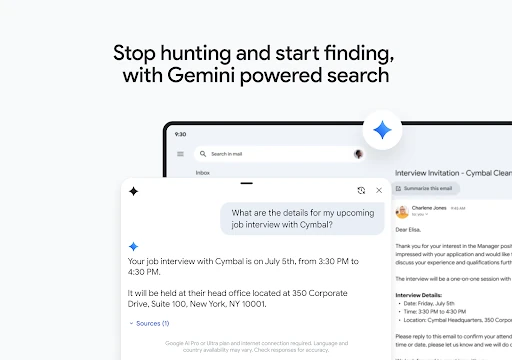
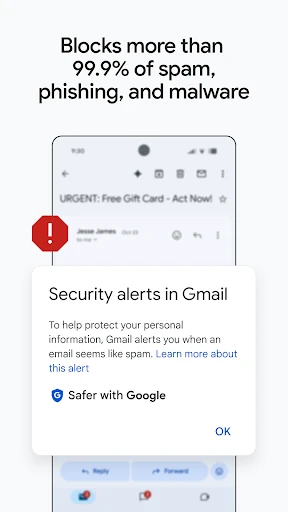
Email tends to remain useful because it is where receipts, bookings, work messages and personal conversations collect. Gmail makes that archive searchable, while conversation threads keep replies together and spam filtering helps separate unwanted mail from the messages you may need. Those are practical reasons to open the app again next week, not just features to try once.
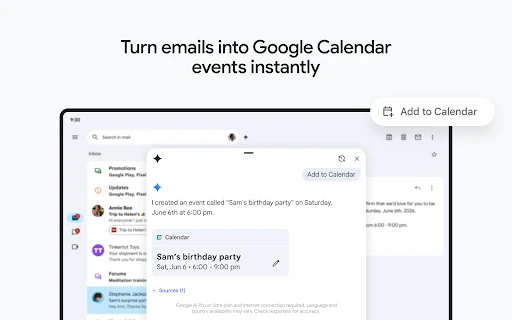
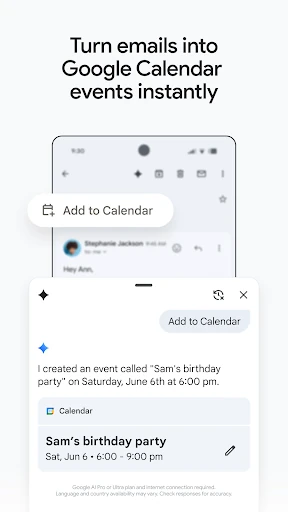
If you already use Google services, Gmail can be a handy starting point for messages connected to your wider routine. Email can lead into related Google tools such as Calendar, Meet or Chat, depending on your account and setup. That makes it a natural choice for people who handle personal and work correspondence on the same phone. If you only need an occasional mailbox, its broader connections may matter less.
Gmail is published by Google LLC and is listed in Communication. Its rating is 4.1 from about 14.2 million ratings, with more than 10 billion installs. Those figures show how widely it is used, though they do not mean it will suit every inbox. Keep it if email is part of how you manage everyday commitments; if you rarely open email, the space may be better used elsewhere.